
Indoor air quality is an important factor in modern construction and shapes how today’s buildings are designed and made. Attention is increasingly turning to construction materials and methods as standards around sustainability and health tighten.
Silica is a common by-product on jobsites, generated through cutting, grinding and blasting materials such as concrete, stone and masonry. The risks posed by silica are well documented, though its broader impact on indoor environments is less discussed.
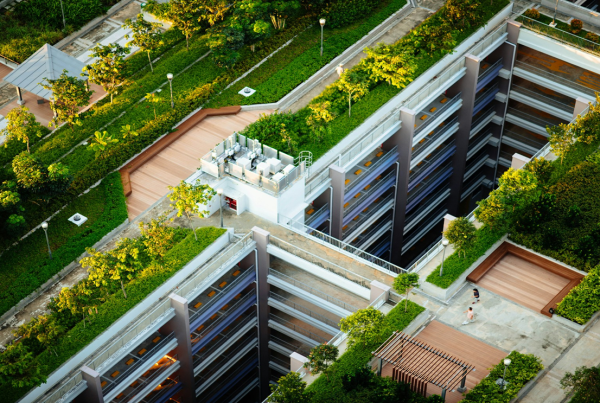
Source: Photo by Jakub Żerdzicki on Unsplash
The Hidden Impact of Silica on Indoor Air Quality
Silica is a natural substance found in rocks, sand and clay. Silica dust can be produced when cutting, drilling and grinding these materials. The fine dust generated, respirable crystalline silica, is small enough to penetrate into a person’s lungs. This can cause lung cancer and other severe health issues, making silica the second biggest risk to construction workers, with asbestos being the first.
Silica dust is too fine to be seen in normal lighting and can linger in the air and accumulate on surfaces long after construction work has stopped. This increases the risk of it spreading onto surfaces, materials and even ventilation systems throughout the building. Moreover, silica particles are difficult to remove through standard cleaning processes. It makes early-stage control or removal at source vital, as even small amounts of residual dust can contribute to ongoing air quality concerns.
The Shift Toward Silica-Free Practices
The construction industry has been steadily moving toward silica-free or silica-reduced methods to mitigate the challenges and risks posed by silica. These methods aim to proactively keep people safe from silica, as opposed to reactively focusing on protection, containment and cleanup.
Silica-free practices are practical and healthy, as reducing airborne particles can improve visibility and ultimately create cleaner jobsites, leading to more efficient and safer workflows. Silica-free practices also lead to the construction of buildings with a better baseline of indoor air quality.
LEED and WELL certifications both support the use of silica-free construction and materials, with LEED focusing on the indoor air quality impact and WELL on the direct health impacts for occupants. Construction teams are increasingly turning to practical, on-site methods that reduce or eliminate silica exposure to meet these standards.
Practical Approaches to Reducing Silica Exposure
A range of modern techniques and technologies is available to help reduce or eliminate silica dust formation during construction. Around 2.3 million people in the United States are exposed to silica at work. These methods can be the keys to reducing that number.
Abrasive Blasting
Abrasive blasting accomplishes key construction goals while eliminating the need for silica sand contamination. The process involves propelling abrasive material using pressurized air or water to alter a surface. Removing imperfections, creating smooth finishes, performing thorough cleaning, adding specific textures and removing contaminants are just some of the tasks abrasive blasting can accomplish.
Alternative silica-free abrasive blasting materials, such as garnet and steel grit, improve air quality compared to silica sand and often generate less waste. They can also offer greater consistency and control during surface preparation and produce less fragmentation upon impact, helping to limit the amount of particles released into the air. This supports indoor air quality and cleaner jobsites, reducing the time spent on post-process cleanup.
Dustless and Wet Cutting
Dustless and wet cutting are two of the most common methods for reducing silica when cutting stone, tile or concrete. Wet cutting uses a continuous water flow to the cutting blades, which traps particles before they become airborne.
Dry cutting is a cost-effective method that requires no water or coolant, making it popular among contractors. However, it typically produces more airborne dust than wet cutting, making it less suitable for indoor environments without proper dust control or ventilation.
Prefabrication and Off-Site Construction
Prefabrication and off-site construction reduce on-site silica generation by taking the cutting and finishing processes to controlled, off-site environments. These environments are suited to reduce and better manage harmful airborne particles and minimize contamination risks.
The process also comes with cost and workflow benefits, as prefabricated and modular homes can be up to 20% cheaper and up to 50% faster to construct than homes built with traditional methods.
The Broader Value of Silica Free-Practices and Monitoring
Reducing silica exposure can accomplish more than just meeting compliance requirements. It is also a way to improve overall project performance and outcomes. Cleaner construction processes reduce the need for extensive post-build cleanup, limit strain on HVAC systems and better support baseline indoor air quality from the outset.
Ongoing monitoring also plays an important role in maintaining healthy indoor environments. Solutions such as BEE Sense provide real-time air data on indoor air quality, optimizing HVAC operation and helping spot potential issues early. Combining silica-free practices with continuous monitoring ensures air quality standards are maintained over time.
Adopting a New Standard for Health and Air Quality
Silica dust has long been an accepted by-product of construction that must simply be managed. However, growing knowledge of its impact on indoor air quality is prompting a reevaluation and a shift away from the status quo. A move toward silica-free practices is occurring, creating safer worksites, healthier buildings for occupants and more sustainable construction methods.
Addressing air quality at the source helps the construction industry to meet modern requirements and provide impressive standards for workers and occupants. Silica-free approaches could become more than just alternative approaches. Tighter regulations and health standards could result in them becoming the standard to ensure healthy and sustainable construction.